Effective communication strategies for technical educators
 Feb 05, 2025
 12 min read
Effective communication is crucial for educators to succeed in the classroom. This blog post explores essential communication skills for teachers, covering interactions with students, families, and colleagues. We'll discuss techniques to enhance classroom communication, including fostering positive relationships, encouraging collaboration, and using non-verbal cues. By mastering these skills, educators can create a more engaging and productive learning environment.
The Significance of Strong Communication Abilities for Educators
Effective communication is a key skill for teachers. It's essential in various aspects of their work, from teaching students to working with colleagues and parents. Good communication helps create a better learning environment and improves overall educational outcomes.
Interacting with Pupils
Effective communication with students is at the heart of successful teaching. As educators, we need to create an environment where students feel comfortable expressing themselves and asking questions. This means using language that's easy to understand and adjusting our communication style to fit different age groups and learning styles.
One key aspect of interacting with pupils is active listening. When we truly listen to our students, we show them that their thoughts and opinions matter. This can boost their confidence and encourage them to participate more in class discussions. It's also important to use positive reinforcement and constructive feedback to guide students' learning and behavior.
Another crucial element is maintaining clear expectations and boundaries. When students understand what's expected of them, they're more likely to engage positively in the classroom. This includes setting ground rules for classroom behavior and communication, and consistently enforcing them in a fair manner.
Remember, effective communication with pupils goes beyond just words. Our body language, tone of voice, and facial expressions all play a role in how our messages are received. By being mindful of these non-verbal cues, we can create a more supportive and engaging learning environment for all our students.

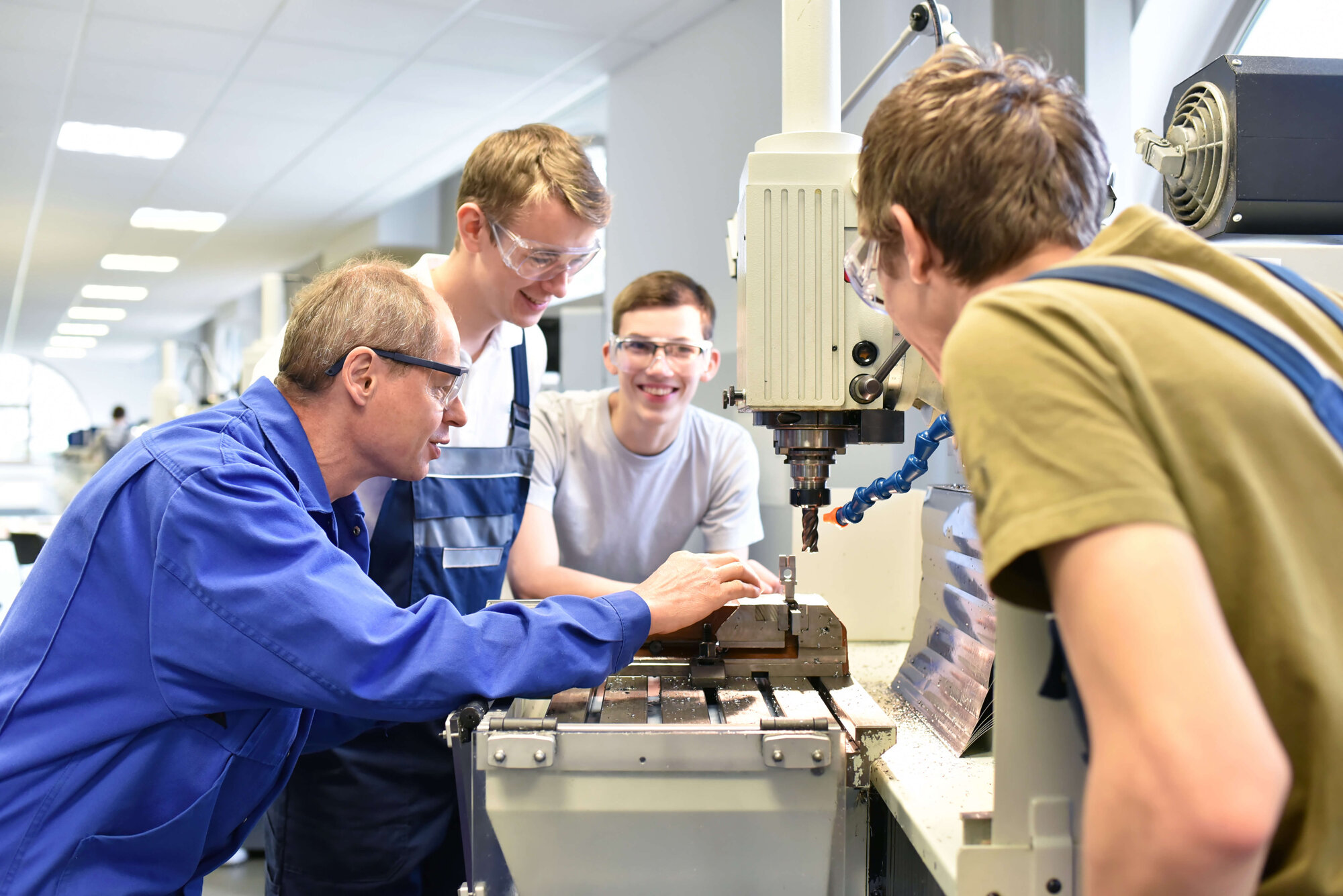

Interested in Expanding Your Knowledge?
Want to become a communication pro in the classroom? Here are some great ways to learn more!
Online Courses:
There are many online platforms offering courses on classroom communication. These courses cover topics like active listening, giving feedback, and managing difficult conversations. You can learn at your own pace and often get certificates upon completion.
Books and Articles:
Reading books and articles by experienced educators can give you valuable insights. Look for titles that focus on communication strategies in education. Many of these resources offer practical tips you can use right away in your classroom.
Workshops and Conferences:
Attending workshops and conferences is a great way to learn new skills and network with other educators. These events often have sessions specifically about classroom communication. You can learn from experts and share experiences with your peers.
Remember, improving your communication skills is an ongoing process. Keep learning and practicing to become a better communicator in the classroom!
Engaging with Families
Building strong connections with families is key for student success.
Open lines of communication:
Teachers should create various ways for parents to reach out, such as email, phone calls, or messaging apps. Regular updates about student progress and classroom activities help keep families in the loop. It's important to be responsive and address concerns promptly.
Parent-teacher conferences:
These meetings are great opportunities to discuss a student's achievements and areas for improvement. Teachers should prepare specific examples and be ready to offer practical advice for supporting learning at home. Listening to parents' perspectives and concerns is just as important as sharing information.
Inviting participation:
Encouraging families to get involved in school events, classroom activities, or volunteer opportunities can strengthen the school-home connection. This might include inviting parents to share their expertise or cultural experiences with the class. Creating a welcoming environment where families feel valued and respected is essential for fostering positive relationships.
Remember, effective family engagement benefits everyone involved in a student's education.
Collaborating with Fellow Educators
Working well with other teachers and school staff is key to creating a strong learning environment. Here are some tips to help you communicate effectively with your colleagues:
- Open communication - Share ideas, concerns, and feedback openly with your fellow educators. This helps create a supportive atmosphere where everyone feels heard.
- Active listening - Pay attention to what your colleagues are saying and show that you value their input. This builds trust and encourages more open dialogue.
- Teamwork - Work together on projects, lesson plans, and school initiatives. Collaboration can lead to better outcomes for students and a more united staff.
- Respect differences - Recognize that each educator has their own teaching style and strengths. Embrace these differences and learn from one another.
- Professional boundaries - Maintain a balance between being friendly and professional. This helps create a positive work environment while keeping relationships appropriate.
Remember, good communication with your fellow educators can lead to a more positive and effective teaching experience for everyone involved.
Seeking Professional Development?
Looking to enhance your communication skills as an educator? Here are some professional development opportunities to consider.
Workshops and Seminars:
Many educational institutions and organizations offer workshops focused on improving classroom communication. These sessions often provide practical strategies and hands-on exercises to help teachers refine their skills.
Online Courses:
Platforms like Coursera, edX, and Udemy offer a variety of online courses on effective communication for educators. These self-paced options allow you to learn at your convenience and often include video lectures, readings, and assignments.
Mentorship Programs:
Connecting with an experienced mentor can provide personalized guidance on improving your communication skills. Many school districts have formal mentorship programs, or you can seek out a mentor informally within your professional network.
Investing in your communication skills through professional development can have a lasting impact on your teaching effectiveness and student outcomes.
Techniques for Enhancing Classroom Communication
Effective classroom communication is key to successful teaching. Here are eight practical strategies to improve your communication skills and create a better learning environment for your students.
1. Foster a Positive Learning Atmosphere with Nurturing Relationships
Creating a supportive environment is key to effective classroom communication. Here's how you can foster positive relationships:
- Show genuine interest - Take time to learn about your students' lives, interests, and goals. This helps build trust and makes students feel valued.
- Be approachable - Maintain an open-door policy and encourage students to ask questions or share concerns. Your accessibility can make a big difference in student comfort.
- Use positive reinforcement - Praise students for their efforts and achievements. This boosts confidence and motivates them to participate more in class discussions.
- Respect individual differences - Recognize that each student has unique strengths and challenges. Tailor your communication style to meet diverse needs.
- Create a safe space - Establish clear rules against bullying or teasing. Ensure all students feel secure sharing their thoughts and ideas without fear of judgment.
Remember, a positive classroom atmosphere encourages open communication and active learning.
2. Encourage Collaboration
In today's classroom, teamwork is more than just a buzzword—it's a crucial skill that prepares students for the real world. By encouraging collaboration, teachers can create a dynamic learning environment that enhances communication skills and fosters a sense of community among students.
Collaborative learning offers numerous benefits for improving communication in the classroom:
- Diverse perspectives - Students learn to express and listen to different viewpoints
- Problem-solving skills - Working together helps develop critical thinking and decision-making abilities
- Peer learning - Students often understand and explain concepts to each other in relatable ways
- Social skills - Collaboration builds empathy, respect, and teamwork
To make collaboration effective, teachers should design activities that require meaningful interaction and shared responsibility. This could include group projects, peer tutoring, or class discussions. By creating opportunities for students to work together, educators not only improve communication skills but also prepare their students for future success in an increasingly collaborative world.
3. Non-verbal Communication
When it comes to teaching, what you don't say can be just as important as what you do say. Non-verbal communication plays a crucial role in how we interact with our students and can greatly impact the learning environment. Let's explore why paying attention to our body language and facial expressions is so important in the classroom.
- Facial expressions - Your face can convey enthusiasm, concern, or disappointment
- Body posture - How you stand or sit can show confidence or approachability
- Hand gestures - Using your hands can help emphasize points or give directions
- Eye contact - Looking at students can show you're listening and engaged
Being aware of these non-verbal cues can help you connect better with your students. It's not just about what you teach, but how you present yourself while teaching. By mastering non-verbal communication, you can create a more positive and effective learning environment for all your students.
4. Attentive Listening
Listening carefully is a key part of good classroom communication. Here's why it matters:
- Understanding students - When you really listen to your students, you can better understand their needs, concerns, and ideas. This helps you tailor your teaching to suit them.
- Building trust - Students feel valued when they know you're truly listening to them. This builds a stronger, more positive relationship between teacher and student.
- Encouraging participation - When students see that you listen attentively, they're more likely to speak up and share their thoughts in class.
- Modeling good behavior - By practicing active listening, you show students how to be good listeners themselves. This skill will serve them well both in and out of the classroom.
- Picking up on non-verbal cues - Attentive listening isn't just about hearing words. It also involves noticing body language and tone, which can tell you a lot about how a student is really feeling.
Remember, good listening takes practice. Try to focus fully on what students are saying, and show them you're listening through your responses and actions.
5. Constructive Input
Providing effective feedback is crucial for student growth and development. Here are some key points to consider:
- Be specific and timely - Offer detailed feedback shortly after an assignment or task is completed. This helps students understand exactly what they did well and where they can improve.
- Focus on the positive - Start with what the student did correctly before addressing areas for improvement. This approach encourages students and makes them more receptive to suggestions.
- Use a growth mindset approach - Frame feedback in terms of effort and strategy rather than innate ability. This helps students see challenges as opportunities for learning and growth.
- Provide actionable suggestions - Give clear, concrete steps that students can take to improve their work. This empowers them to take control of their learning process.
- Encourage self-reflection - Ask students to evaluate their own work before providing your feedback. This promotes critical thinking and self-awareness.
Remember, the goal of feedback is to support and guide students in their learning journey.
6. Lighthearted Approach
Incorporating humor into your teaching can make a big difference in the classroom. Here's how a lighthearted approach can help:
- Break the ice - Starting class with a joke or funny story can help students feel more relaxed and open to learning.
- Boost engagement - Funny examples or amusing analogies can make lessons more memorable and keep students interested.
- Reduce stress - Laughter can help lower tension, especially during challenging topics or before tests.
- Build connections - Sharing humor can create a sense of community and help you bond with your students.
- Encourage participation - A light mood can make students feel more comfortable speaking up and asking questions.
- Model positivity - Using humor shows students how to approach challenges with a positive attitude.
Remember, keep your humor appropriate and inclusive to ensure all students feel comfortable and respected.
7. Digital Literacy
In today's tech-driven world, digital literacy is a must-have skill for educators. It's not just about knowing how to use a computer or send an email anymore. Teachers need to be comfortable with various digital tools and platforms to communicate effectively with students, parents, and colleagues.
Being digitally literate means you can confidently use online learning platforms, create engaging digital content, and guide students in using technology responsibly. It also involves understanding how to use social media and messaging apps professionally, as these are increasingly common ways to connect with the school community.
Remember, digital literacy isn't just about technical skills. It's also about knowing how to find, evaluate, and share information online. This knowledge helps you teach students to be smart and safe digital citizens. By staying up-to-date with digital communication tools, you'll be better equipped to engage with your students in ways they're familiar with and excited about.
8. Clarity in Communication
Clear communication is a must-have skill for educators. When you speak clearly and concisely, you help your students understand and remember information better. This means using simple words, short sentences, and explaining complex ideas in easy-to-understand ways. It's like being a tour guide in the world of knowledge – you want to make sure everyone can follow along!
To improve clarity, try these tips: speak at a steady pace, use examples that your students can relate to, and check for understanding frequently. Don't be afraid to repeat important points or rephrase them in different ways. Remember, what's clear to you might not be clear to your students, so always be ready to explain things from different angles.
Clear communication also applies to written instructions, feedback, and lesson plans. Make sure your handouts, assignments, and notes on the board are easy to read and understand. By focusing on clarity, you'll create a classroom environment where learning flows smoothly and students feel confident asking questions and participating in discussions.
Additional Learning Materials:
Enhancing your classroom communication skills is an ongoing process, and there are numerous resources available to help you on this journey. We've compiled a list of valuable materials that can further support your growth as an educator. These resources cover various aspects of classroom communication and offer practical strategies you can implement right away.
- Books - Recommended reading on effective classroom communication
- Online Courses - Self-paced learning opportunities to improve your skills
- Podcasts - Audio content featuring expert insights and tips
- Webinars - Interactive online sessions with education professionals
- Workshops - In-person training events for hands-on learning
These resources cater to different learning styles and preferences, allowing you to choose the format that works best for you. By exploring these materials, you'll gain fresh perspectives, learn new techniques, and stay updated on the latest research in classroom communication. Remember, investing time in these resources can lead to significant improvements in your teaching practice and student outcomes.